
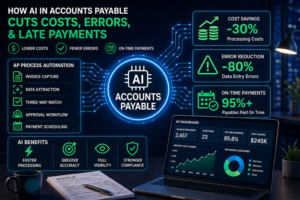
How AI in Accounts Payable Cuts Costs, Errors, & Late Payments
AI in accounts payable refers to the use of artificial intelligence, machine learning, and automation to improve how invoices are received, reviewed, approved, matched, and paid.
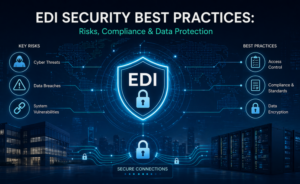
EDI Security Best Practices: Risks, Compliance & Data Protection
At a basic level, EDI security is the set of safeguards that protect electronic business documents as they move between systems, partners, and networks.
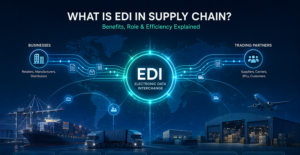
What Is EDI in Supply Chain? Benefits, Role & Efficiency Explained
Think of it this way: instead of emailing a purchase order and hoping someone on the other end types it in correctly (and quickly), EDI sends that same order directly into the supplier’s system.
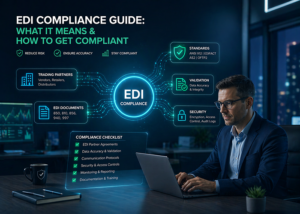
EDI Compliance Guide: What It Means & How to Get Compliant
At its core, EDI compliance simply means your business is playing by the agreed-upon rules when exchanging data electronically.
EDI Implementation Guide: Steps, Challenges & Best Practices
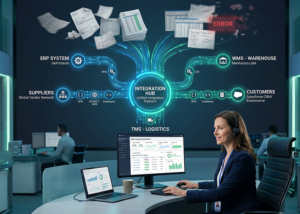
EDI implementation is simply the process of setting up a system that allows businesses to exchange data electronically—cleanly, consistently, and without human interference.
Benefits of EDI: Improve Speed, Accuracy & Business Efficiency
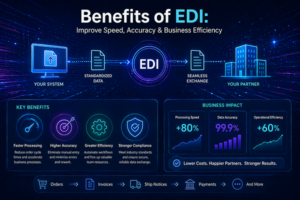
EDI is actually pretty straightforward. It’s how businesses send documents like purchase orders, invoices, and shipping notices directly from one system to another without someone retyping everything line by line.
3-Way Matching in Accounts Payable: Process & Automation
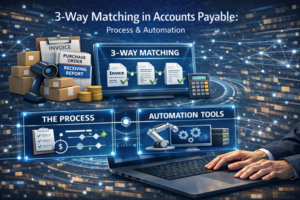
3 way match accounting is essentially a verification checkpoint. A safeguard, really. Before any money leaves the building, three separate documents have to agree with each other.
Invoice Matching Explained: Process, Types, AP Automation
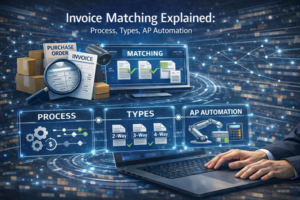
Invoice matching—at its simplest—is the act of comparing an invoice to the documents that are supposed to back it up. Typically, that means the purchase order (what you agreed to buy) and the receipt (what you actually received).
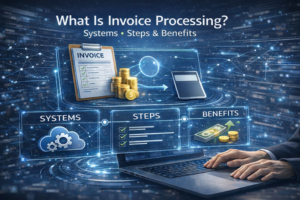
What Is Invoice Processing? Systems, Steps & Benefits
Invoice processing (or if we want to be precise, accounts payable invoice processing) is the entire lifecycle of handling supplier invoices—from the moment they arrive to the moment money leaves your account.
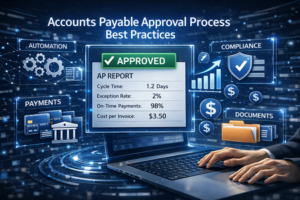
Accounts Payable Approval Process: How to Build a Faster, More Accurate Invoice Workflow
An accounts payable approval process ensures invoices are reviewed, verified, and approved before payment—helping businesses prevent errors, control spending, and maintain financial accuracy.
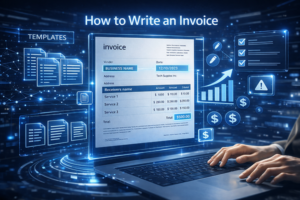
How to Write an Invoice (With Examples, Templates, and Best Practices)
Writing a clear, accurate invoice is essential for getting paid on time, avoiding disputes, and maintaining strong relationships with your customers.

Invoice Automation Benefits: How to Reduce Costs, Errors, and Processing Time
Invoice automation reduces manual processing, improves accuracy, and speeds up approvals—helping businesses lower costs and gain better control over cash flow.
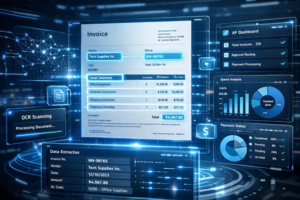
OCR Accounting: What It Is, How It Works, and Why It Matters for Accounts Payable
OCR in accounting automates data capture from invoices and documents, reducing manual entry errors and accelerating financial workflows.
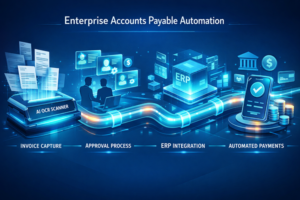
Accounts Payable OCR Software: How to Automate Invoice Capture and Reduce AP Costs
Accounts payable OCR software automates invoice data capture, reducing manual entry, minimizing errors, and accelerating approval workflows.
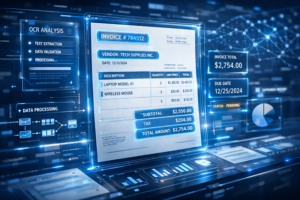
Invoice Scanning Software: How to Capture, Digitize, and Automate AP Invoices Faster
Invoice scanning software helps businesses capture, digitize, and organize invoice data, reducing manual entry and improving overall efficiency in accounts payable processes.

The History of the AS/400 (IBM i)
The IBM System i, then known as the AS/400, was the continuation of the System/38 database machine architecture.

Core EDI Terms and Concepts
EDI (Electronic Data Interchange) is the structured transmission of business documents between organizations in a standardized electronic format.
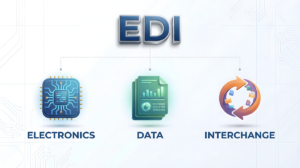
What Is EDI? A Complete Guide to Electronic Data Interchange
EDI (Electronic Data Interchange) is the electronic exchange of business documents between companies in a standardized format.

5 Common EDI Translation Software Challenges and How to Overcome Them
EDI translation software is essential for automating business communications and ensuring smooth data exchanges between trading partners.

How to Improve Data Accuracy and Avoid Manual Errors with EDI Mapping Software
Inconsistent data mapping and manual errors are persistent frustrations for businesses using EDI systems.
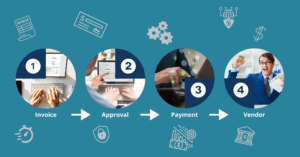
B2B Payment Automation: Cut AP Costs & Improve Efficiency
B2B payment automation refers to the use of technology to streamline how businesses pay their vendors, suppliers, and service providers.

Revolutionizing Trading Partner Communications with EZConnect
EZConnect automates the entire communication lifecycle—from the initial exchange of documents to final confirmation—eliminating manual steps and significantly reducing errors.

Streamlining B2B Payments with Our Unified Platform
Managing B2B payments efficiently is more critical than ever in today’s fast-paced digital economy.
5 Signs Your EDI Translation Software Needs an Upgrade
One of the most obvious signs that your EDI needs an upgrade is slow processing times.

4 Things Suppliers Wish Buyers Knew About Electronic Payments
Electronic payments can streamline processes, reduce costs, and improve cash flow—but many suppliers still face challenges when buyers don’t fully understand how they work.

Choosing the Right Software Solution for Your Business
Acom Systems offers tailored software solutions to enhance business operations, from EDI to payment platforms, ensuring maximum efficiency and productivity.

Sending Electronic Payments to Vendors through ACH Transfer
ACH transfers allow businesses to send electronic payments directly to vendors, reducing reliance on paper checks and improving payment efficiency.

5 Biggest Electronic Payments Myths, Debunked
Despite the growing adoption of electronic payments, many businesses still rely on outdated assumptions that can limit efficiency and increase costs.